Why Scent Hits Different
There’s an actual anatomical reason for this, and I think it’s wild. The olfactory bulb — the part of the brain that processes smell — is located right next to the hippocampus, which handles memory formation. They’re neighbors, and the wall between them is so thin that a single molecule can cross it.
This is why a whiff of woodsmoke at a gas station can put you back at a campfire in 1998. Why a stranger’s perfume can make you miss someone who left years ago. Why opening a box of crayons floods you with the specific feeling of being six years old.
No other sense does this. Sound comes close. Sight is too literal. Touch requires contact. But scent — scent ambushes you. It arrives without warning and brings the entire scene: the weather, the room, the person, the feeling.
What This Has to Do with Candles
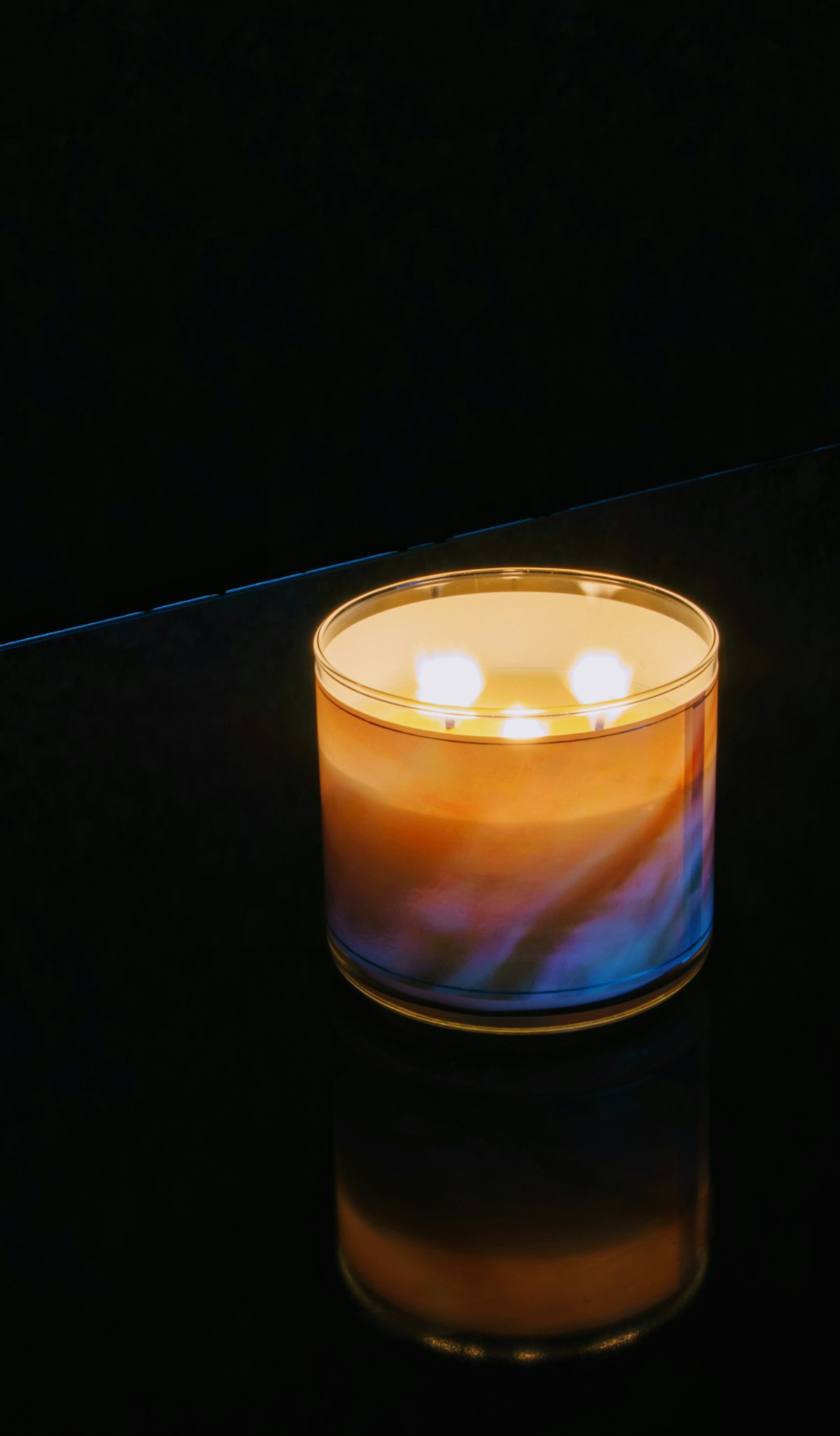
Here’s what I’ve noticed in my own life. When I burn a candle regularly during a particular stretch of time, the scent becomes welded to that period. The vanilla candle I burned during the winter I was falling in love. The eucalyptus that was always lit during my morning writing sessions. The cedar that burned through every late Sunday afternoon when I was learning to be alone.
Those scents became time machines for me. And unlike photographs, they don’t show me what happened — they make me feel what happened.
I’m Curious About Yours
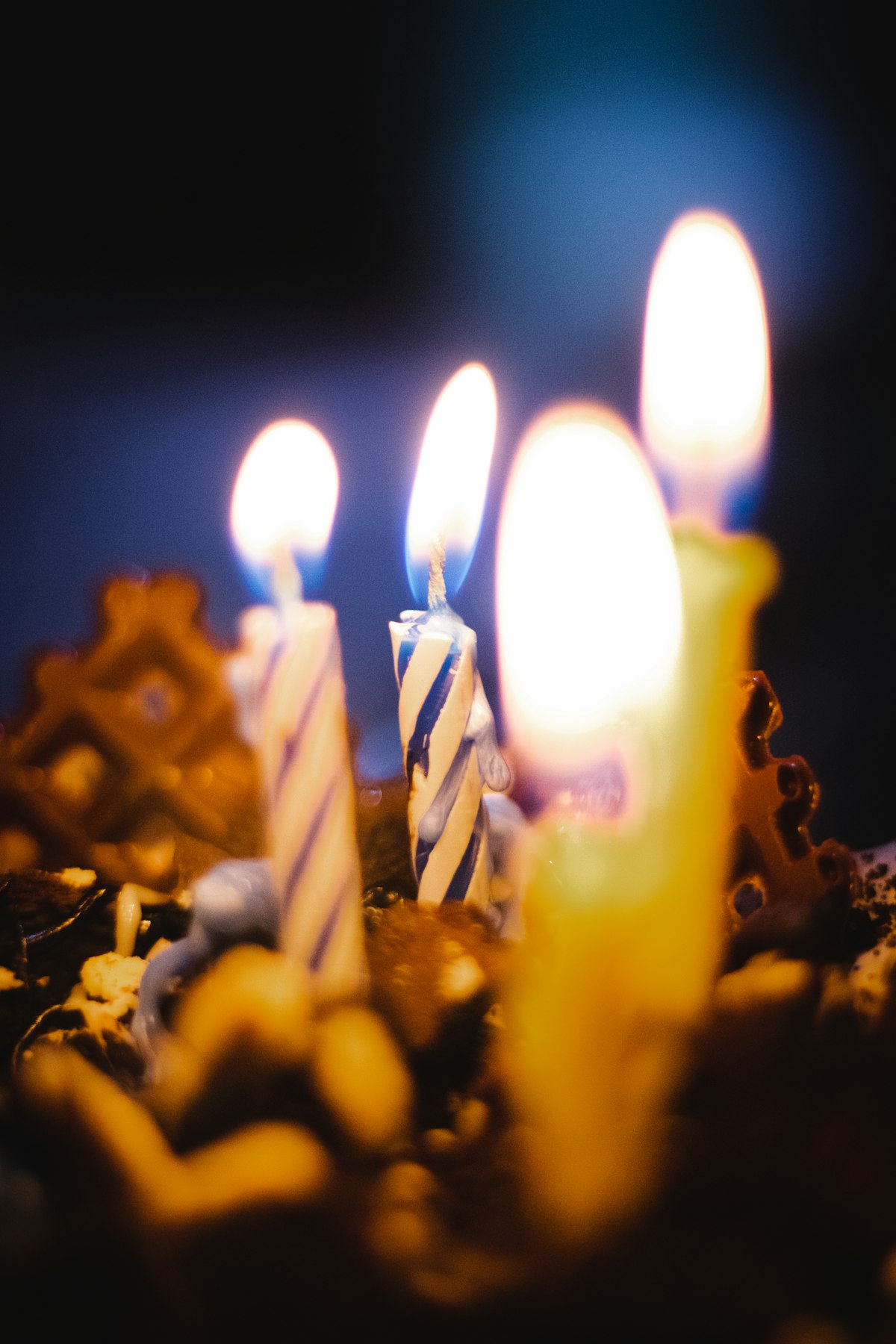
What scent owns a piece of your history? Not a general category — a specific one. The specific match-strike sulfur of a birthday cake. The specific brand of soap in a specific bathroom. The smoke from a specific fireplace in a specific house that maybe doesn’t even exist anymore.
Name the scent. Name the year. See what surfaces.