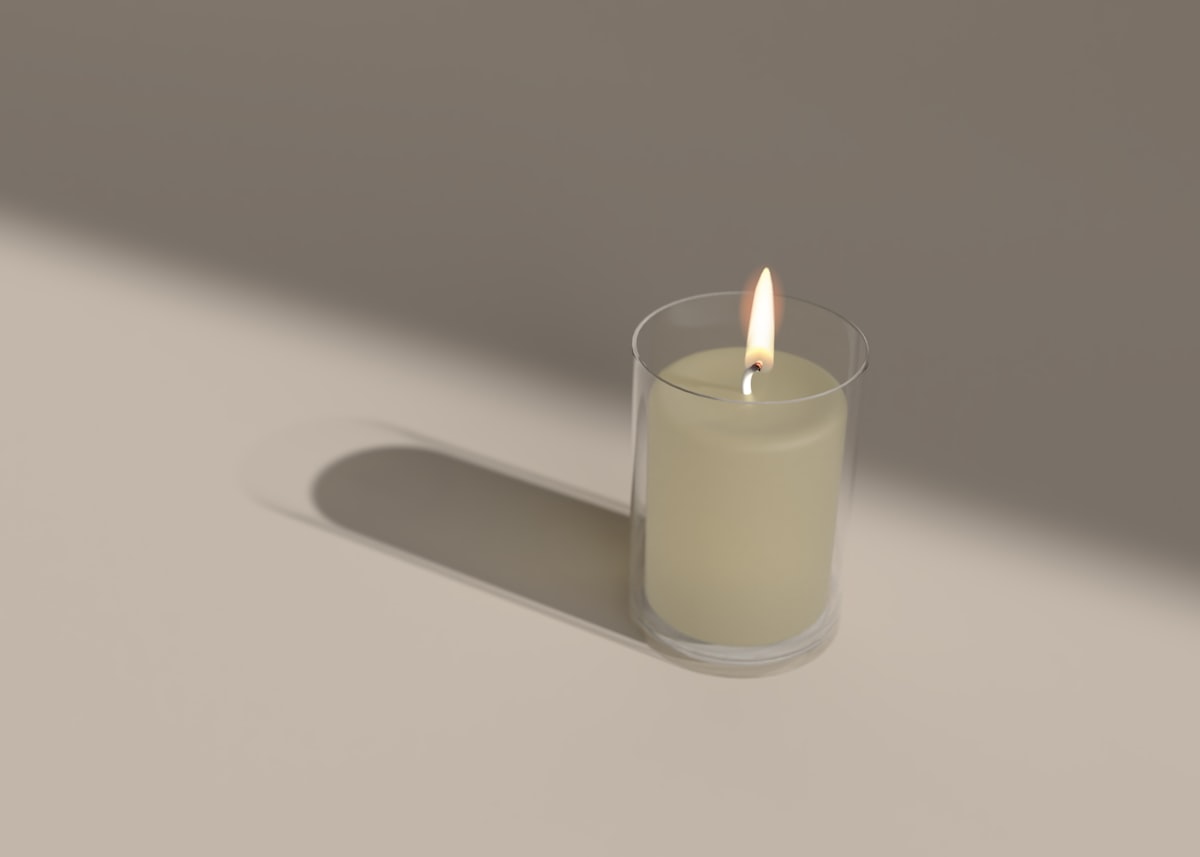
The Cold Throw
Before you even light a candle, bring it close and smell it. This is what’s called the “cold throw” — the scent the wax gives off at room temperature. It’s usually dominated by the top notes: citrus, light florals, maybe a whisper of spice.
Here’s the thing, though — that’s not really what the candle smells like. It’s just the introduction. Like meeting someone at a party versus actually getting to know them.
Top, Middle, and Base
Every fragrance — whether it’s a candle, a perfume, or an essential oil — is built in layers.
Top notes arrive first and leave first. They’re the attention-grabbers: lemon, bergamot, eucalyptus, peppermint. They tend to burn off within 15-30 minutes of the candle being lit.
Middle notes are the body of the scent. Lavender, rosemary, cinnamon, rose. They come forward after the top notes fade and carry things for the next hour or two.
Base notes are the foundation. Sandalwood, cedarwood, vanilla, musk, amber. They’re the last to show up and the last to leave. They’re what you smell when you walk into a room where a candle’s been burning for three hours.
The Hot Throw
The “hot throw” is the real scent — the fragrance that releases when the wax is fully melted and the oils are properly vaporizing. This only happens once the melt pool has formed all the way across the jar. So if you’re judging a candle in the first ten minutes, you’re really only getting the opening act.
I’ve made that mistake more than once — writing off a candle early, only to smell it later from another room and think, “wait, that’s gorgeous.”
Give It a Full First Burn
What works for me: I give every new candle a complete first burn before I decide how I feel about it. The one that smells aggressively floral at first might settle into something woody and complex after an hour. The one that seems “weak” when cold might fill the whole room once the base notes wake up.
Candles reveal themselves slowly. I’ve learned to let them.
Don’t judge a person in the first five minutes. Don’t judge a candle in the first ten.